Choosing the Right Sports Bra for Your Training Type
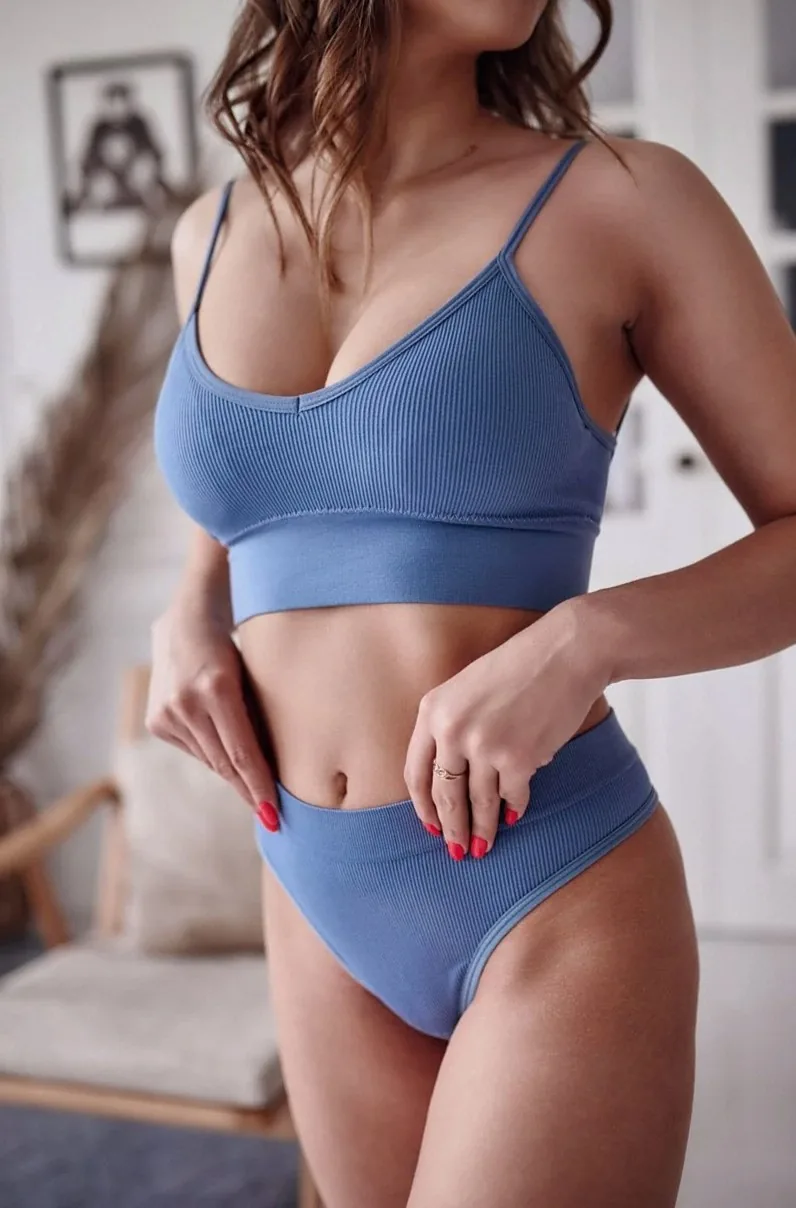
A sports bra is the piece of activewear most likely to be bought in the wrong size or the wrong support level, and the most likely to be abandoned at the back of a drawer as a result. The support level is not a marketing category. It is a structural description of how the bra manages breast movement during exercise, and matching it to your training type is the most important decision you will make when buying.
Low, medium, and high support: what the terms mean
A low-support bra uses a simple stretch fabric with no underwire and minimal structure. It is appropriate for yoga, stretching, and low-intensity movement. It is not appropriate for running, jumping, or any activity that involves significant vertical movement.
A medium-support bra has a wider underband, often a moulded or padded cup, and a more structured back. It works for pilates, strength training, cycling, and moderate-intensity cardio. The sports bra in the current Plateau Attic collection is a medium-support piece.
A high-support bra has an encapsulation structure, meaning each cup is shaped individually rather than compressing both together. It is the appropriate choice for running, HIIT, and any high-impact activity. High-support bras are typically less comfortable for all-day wear because of the firmer structure.
Fit details that matter more than size
The underband should sit level around the body, not ride up at the back. If the back of the bra is higher than the front, the band is too large. The band provides the majority of the support in a sports bra; the straps are secondary.
The straps should not dig in or slide off the shoulder. If you are adjusting the straps constantly during a session, the band is doing too little work. Try a smaller band size before adjusting the straps further.
When to replace a sports bra
The underband elastic is the first thing to go. When the band no longer sits level and firm around the body, the bra is no longer providing the support it was designed for, regardless of how the cups look. Most sports bras reach this point after six to twelve months of regular wear, depending on wash frequency and care.
Replacing a sports bra before it fails completely is better than waiting until it is visibly worn. A bra that has lost its underband tension is providing less support than it appears to, which matters for comfort and for long-term tissue health.
If you are unsure which support level is right for your training, the fitting session at Plateau Attic is a practical way to work through the options. We can assess fit and support level in person, which is much more reliable than sizing charts alone.